Hydroponic Farming: A Beginner's Guide to Success
- Himanshu Kolte
- Mar 26
- 4 min read

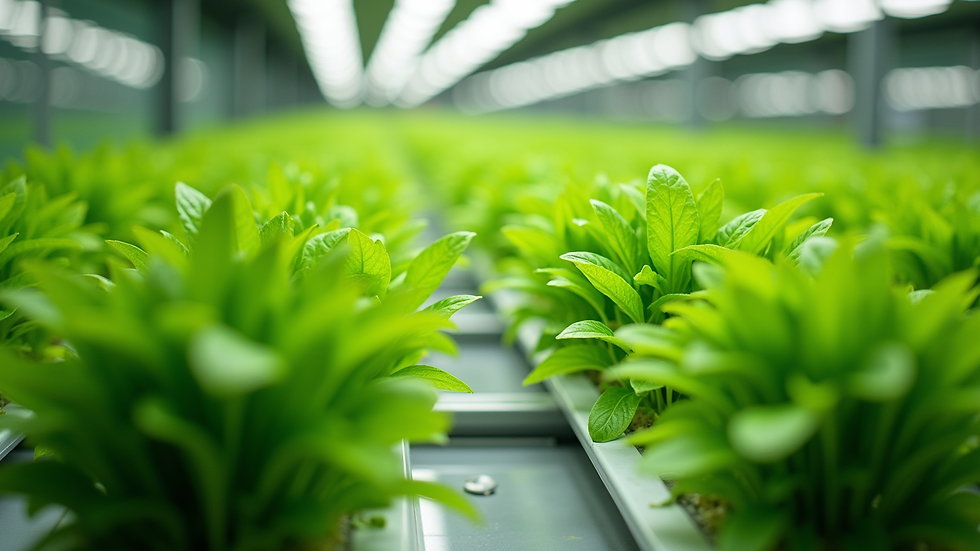
Hydroponic farming is revolutionizing the way we grow food. With the global population on the rise and urban spaces expanding, traditional farming methods are facing significant challenges. Hydroponics offers a solution by allowing us to grow plants without soil, using nutrient-rich water instead. This method not only maximizes space but also conserves water and reduces the need for pesticides. If you’re curious about how to get started with hydroponic farming, this guide will provide you with the essential information you need to succeed.

What is Hydroponic Farming?
Hydroponic farming is a method of growing plants in a water-based, nutrient-rich solution. This technique allows plants to absorb nutrients directly through their roots, leading to faster growth and higher yields compared to traditional soil-based farming.
Key Benefits of Hydroponic Farming
Space Efficiency: Hydroponic systems can be set up vertically, allowing you to grow more plants in a smaller area.
Water Conservation: Hydroponics uses up to 90% less water than traditional farming methods.
Fewer Pests and Diseases: Growing plants in a controlled environment reduces the risk of pests and diseases, minimizing the need for pesticides.
Faster Growth: Plants grown hydroponically often grow faster due to direct access to nutrients and optimal growing conditions.
Year-Round Production: Hydroponics allows for continuous production regardless of the season, making it ideal for urban areas.
Types of Hydroponic Systems
Understanding the different types of hydroponic systems is crucial for selecting the right one for your needs. Here are the most common types:
Nutrient Film Technique (NFT)
In this system, a thin film of nutrient-rich water flows over the roots of the plants. This method is efficient and works well for fast-growing plants like lettuce.
Deep Water Culture (DWC)
In DWC systems, plants are suspended in a nutrient solution with their roots submerged in water. An air pump provides oxygen to the roots, promoting healthy growth.
Ebb and Flow (Flood and Drain)
This system periodically floods the plant roots with nutrient solution and then drains it back into a reservoir. This cycle provides the plants with nutrients and oxygen.
Wick System
The wick system uses a wick to draw nutrient solution from a reservoir to the plant roots. This is a simple and low-maintenance option, ideal for beginners.
Aeroponics
In aeroponics, plants are suspended in air and misted with a nutrient solution. This method promotes rapid growth and is often used in commercial settings.
Getting Started with Hydroponic Farming
Starting your hydroponic farm can seem daunting, but with the right steps, you can set up a successful system. Here’s how to get started:
Step 1: Choose Your Hydroponic System
Select a hydroponic system that suits your space, budget, and the types of plants you want to grow. For beginners, a simple DWC or wick system is often recommended.
Step 2: Gather Your Supplies
You will need the following supplies to set up your hydroponic system:
Growing containers: These can be plastic bins, buckets, or specialized hydroponic pots.
Growing medium: Options include rock wool, clay pellets, or coconut coir.
Nutrient solution: Purchase a hydroponic nutrient mix that provides essential minerals for plant growth.
Water pump and air pump: These are necessary for circulating water and providing oxygen to the roots.
pH testing kit: Maintaining the right pH level (between 5.5 and 6.5) is crucial for nutrient absorption.
Step 3: Set Up Your System
Follow the instructions for your chosen hydroponic system to set it up. Ensure that all components are securely connected and that water can flow freely.
Step 4: Choose Your Plants
Select plants that are well-suited for hydroponic growth. Leafy greens like lettuce, spinach, and herbs are great options for beginners. As you gain experience, you can experiment with other crops like tomatoes or peppers.
Step 5: Monitor and Maintain
Regularly check the water levels, pH, and nutrient concentration in your system. Adjust as necessary to ensure optimal growing conditions.
Common Challenges in Hydroponic Farming
While hydroponic farming has many advantages, it also comes with its own set of challenges. Here are some common issues you may encounter:
Nutrient Imbalance
If your plants show signs of yellowing leaves or stunted growth, it may indicate a nutrient imbalance. Regularly test your nutrient solution and adjust as needed.
pH Fluctuations
Maintaining the correct pH level is crucial for nutrient absorption. Use a pH testing kit to monitor levels and adjust with pH up or down solutions as necessary.
Pests and Diseases
Even though hydroponic systems are less prone to pests, they can still occur. Regularly inspect your plants and use organic pest control methods if needed.
System Failures
Pump failures or power outages can disrupt your system. Consider investing in a backup power source or alarm system to alert you of any issues.
Tips for Successful Hydroponic Farming
To ensure your hydroponic farm thrives, keep these tips in mind:
Start Small: Begin with a small system to learn the basics before expanding.
Research: Stay informed about hydroponic techniques and best practices through books, online courses, and forums.
Join a Community: Connect with other hydroponic farmers to share experiences and advice.
Experiment: Don’t be afraid to try different plants and systems to find what works best for you.
Conclusion
Hydroponic farming offers a sustainable and efficient way to grow food, making it an appealing option for beginners and experienced gardeners alike. By understanding the basics of hydroponic systems, selecting the right setup, and maintaining optimal growing conditions, you can enjoy the benefits of fresh produce year-round.
Take the first step today by researching your options and gathering your supplies. With dedication and a willingness to learn, you can achieve success in hydroponic farming. Happy growing!

Comments