Maximize Yields with Hydroponics: Essential Tips
- Himanshu Kolte
- Mar 26
- 4 min read

Hydroponics is revolutionizing the way we think about agriculture. With the ability to grow plants without soil, this method offers a sustainable solution to food production, especially in urban areas where space is limited. If you're looking to maximize your yields and improve the efficiency of your hydroponic system, you’ve come to the right place. In this post, we will explore essential tips that can help you achieve optimal results in your hydroponic garden.
Understanding Hydroponics
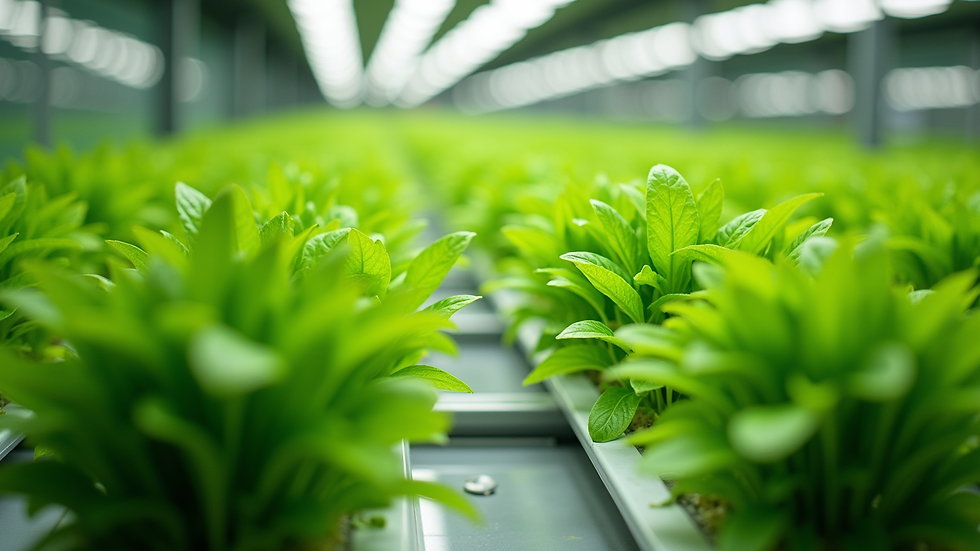
Hydroponics is a method of growing plants using mineral nutrient solutions in water, without soil. This technique allows for greater control over the growing environment, leading to faster growth rates and higher yields. Here are some key benefits of hydroponics:
Space Efficiency: Hydroponic systems can be set up vertically, allowing for more plants in a smaller area.
Water Conservation: Hydroponics uses up to 90% less water than traditional farming methods.
Reduced Pest Issues: Without soil, many pests and diseases are less likely to affect your plants.
Faster Growth: Plants grown hydroponically can grow up to 50% faster than those grown in soil.
Choosing the Right Hydroponic System
Selecting the right hydroponic system is crucial for maximizing yields. There are several types of systems, each with its own advantages:
Nutrient Film Technique (NFT)
In this system, a thin film of nutrient-rich water flows over the roots of the plants. This method is highly efficient and allows for quick growth. However, it requires careful monitoring to ensure that the water flow is consistent.
Deep Water Culture (DWC)
DWC involves suspending plant roots in a nutrient solution with an air pump providing oxygen. This method is simple and effective, making it a popular choice for beginners.
Ebb and Flow (Flood and Drain)
This system periodically floods the plant roots with nutrient solution and then drains it back into a reservoir. This cycle provides both nutrients and oxygen to the roots, promoting healthy growth.
Aeroponics
In aeroponics, plant roots are suspended in the air and misted with a nutrient solution. This method uses less water and can lead to faster growth, but it requires more technical knowledge to maintain.
Essential Tips for Maximizing Yields
1. Optimize Nutrient Solutions
The right nutrient solution is vital for plant health. Here are some tips for optimizing your nutrient mix:
Use High-Quality Nutrients: Invest in a balanced nutrient solution that contains all essential macro and micronutrients.
Monitor pH Levels: The ideal pH for most hydroponic plants is between 5.5 and 6.5. Regularly check and adjust pH levels to ensure nutrient availability.
Adjust Nutrient Concentration: As plants grow, their nutrient needs change. Monitor plant health and adjust nutrient concentration accordingly.
2. Control Environmental Factors
Environmental conditions play a significant role in plant growth. Here’s how to maintain optimal conditions:
Temperature: Most plants thrive in temperatures between 70°F and 75°F (21°C to 24°C). Use heaters or cooling systems to maintain consistent temperatures.
Humidity: Aim for humidity levels between 40% and 60%. Use humidifiers or dehumidifiers as needed.
Light: Provide adequate lighting for your plants. LED grow lights are energy-efficient and can be adjusted for different growth stages.
3. Implement Proper Plant Spacing
Crowding plants can lead to competition for light and nutrients. Follow these spacing guidelines:
Follow Recommended Spacing: Each plant species has specific spacing requirements. Research and adhere to these guidelines to ensure healthy growth.
Prune Regularly: Regular pruning helps improve air circulation and light penetration, promoting healthier plants.
4. Regular Maintenance and Monitoring
Consistent monitoring and maintenance are key to a successful hydroponic system. Here are some practices to adopt:
Check Water Levels: Regularly monitor and refill your nutrient reservoir to prevent plants from drying out.
Inspect for Pests and Diseases: Regularly check plants for signs of pests or diseases and take immediate action if detected.
Clean the System: Periodically clean your hydroponic system to prevent algae growth and nutrient buildup.
5. Experiment with Different Crops
Not all plants grow equally well in hydroponic systems. Consider experimenting with various crops to find what works best for your setup:
Leafy Greens: Crops like lettuce, spinach, and kale thrive in hydroponic systems and have quick growth cycles.
Herbs: Basil, mint, and cilantro are excellent choices for hydroponic gardening.
Fruiting Plants: Tomatoes and peppers can also be grown hydroponically, but they may require more attention to nutrient levels and support structures.
Troubleshooting Common Issues
Even with the best practices, issues may arise in your hydroponic garden. Here are some common problems and solutions:
Nutrient Deficiencies
If plants show signs of yellowing leaves or stunted growth, they may be lacking essential nutrients. Check your nutrient solution and adjust accordingly.
Root Rot
Overwatering or poor oxygenation can lead to root rot. Ensure that your system provides adequate oxygen to the roots and avoid over-saturating the growing medium.
Pest Infestations
Keep an eye out for pests such as aphids or spider mites. Use organic pest control methods or introduce beneficial insects to keep pests in check.
Conclusion
Hydroponics offers a unique opportunity to grow plants efficiently and sustainably. By following these essential tips, you can maximize your yields and enjoy a thriving hydroponic garden. Remember to experiment, monitor your system closely, and adjust as needed. With dedication and the right techniques, you can achieve impressive results in your hydroponic endeavors. Start your journey today and watch your plants flourish!


Comments