Top 5 Hydroponic Systems for Home Growers
- Himanshu Kolte
- Mar 26
- 4 min read

Growing your own food at home has never been more popular. With the rise of urban gardening and the desire for fresh produce, hydroponics offers a solution that allows you to cultivate plants without soil. This method not only saves space but also provides a controlled environment for optimal growth. In this post, we will explore the top five hydroponic systems that are perfect for home growers, whether you're a beginner or an experienced gardener.

Understanding Hydroponics
Before diving into the systems themselves, it's essential to understand what hydroponics is. Hydroponics is a method of growing plants in a water-based, nutrient-rich solution. This technique eliminates the need for soil, allowing for faster growth and higher yields. Here are some key benefits of hydroponic gardening:
Space Efficiency: Hydroponic systems can be set up in small spaces, making them ideal for urban environments.
Water Conservation: These systems use significantly less water than traditional gardening methods.
Faster Growth: Plants grown hydroponically often grow faster than those in soil due to direct access to nutrients.
Pest and Disease Control: Without soil, many common pests and diseases are less likely to affect your plants.
1. Nutrient Film Technique (NFT)
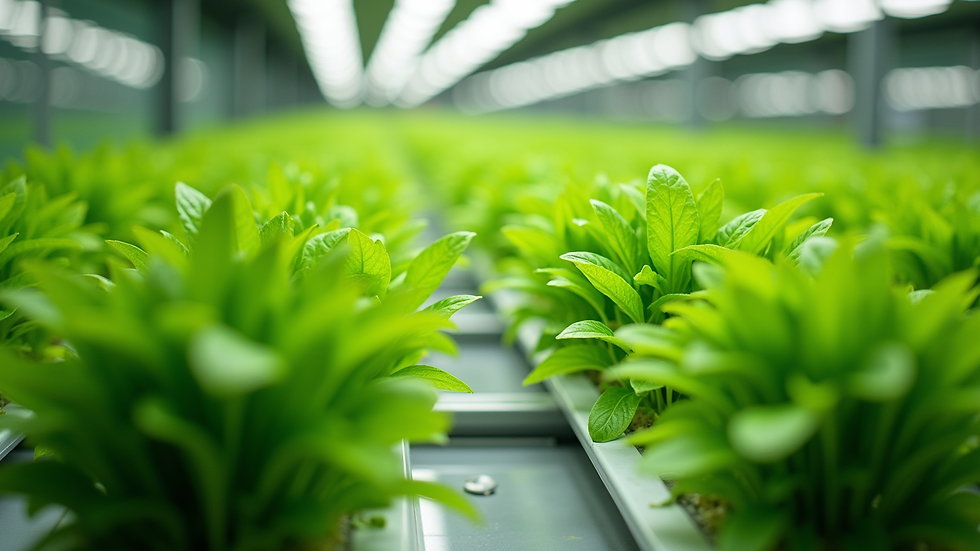
The Nutrient Film Technique is one of the most popular hydroponic systems among home growers. In this method, a thin film of nutrient-rich water flows over the roots of the plants, providing them with everything they need to thrive.
How It Works
Setup: NFT systems consist of a sloped channel where the nutrient solution flows.
Plant Support: Plants are placed in net pots that sit in the channel, allowing their roots to access the nutrient film.
Water Recirculation: The solution is recirculated, ensuring that plants receive a constant supply of nutrients.
Pros and Cons
Pros:
Efficient use of water and nutrients.
Minimal space required.
Cons:
Requires careful monitoring of nutrient levels.
Risk of root rot if the flow is interrupted.
2. Deep Water Culture (DWC)
Deep Water Culture is another effective hydroponic system that is beginner-friendly. In DWC, plants are suspended in a nutrient solution, with their roots submerged in water.
How It Works
Setup: Plants are placed in net pots that sit above a reservoir filled with nutrient solution.
Air Supply: An air pump provides oxygen to the roots, promoting healthy growth.
Simple Maintenance: Regularly check the nutrient levels and pH of the solution.
Pros and Cons
Pros:
Simple to set up and maintain.
Rapid plant growth due to high oxygen levels.
Cons:
Requires constant monitoring of water temperature and nutrient levels.
Risk of algae growth in the reservoir.
3. Ebb and Flow (Flood and Drain)
The Ebb and Flow system, also known as Flood and Drain, is a versatile hydroponic method that can be used for various types of plants.
How It Works
Setup: Plants are placed in a grow bed filled with a growing medium, such as clay pellets or rock wool.
Flooding: The grow bed is periodically flooded with nutrient solution, allowing the roots to absorb nutrients.
Draining: After a set period, the solution drains back into the reservoir.
Pros and Cons
Pros:
Suitable for a wide range of plants.
Provides good aeration to the roots.
Cons:
More complex setup compared to other systems.
Requires a timer for flooding and draining cycles.
4. Aeroponics
Aeroponics is an advanced hydroponic system that uses mist to deliver nutrients to the roots of plants. This method is highly efficient and can produce impressive yields.
How It Works
Setup: Plants are suspended in a chamber where their roots are exposed to air.
Mist Delivery: A misting system sprays a nutrient solution directly onto the roots at regular intervals.
Oxygen Access: The roots receive ample oxygen, promoting rapid growth.
Pros and Cons
Pros:
Extremely efficient use of water and nutrients.
Faster growth rates compared to other systems.
Cons:
Higher initial cost for setup.
Requires precise control of misting intervals.
5. Wick System
The Wick System is one of the simplest hydroponic systems, making it ideal for beginners. It uses a wick to draw nutrient solution from a reservoir to the plants.
How It Works
Setup: Plants are placed in a growing medium, and a wick connects the medium to the nutrient reservoir.
Capillary Action: The wick draws the nutrient solution up to the roots through capillary action.
Low Maintenance: This system requires minimal monitoring and maintenance.
Pros and Cons
Pros:
Easy to set up and maintain.
Low cost and minimal equipment needed.
Cons:
Slower growth rates compared to other systems.
Limited to smaller plants.
Choosing the Right System for You
When selecting a hydroponic system, consider the following factors:
Space: Assess how much space you have available for your hydroponic setup.
Budget: Determine how much you are willing to invest in equipment and supplies.
Plant Types: Consider what types of plants you want to grow, as some systems are better suited for specific crops.
Experience Level: Choose a system that matches your gardening experience and comfort level.
Conclusion
Hydroponics offers a fantastic way to grow your own food at home, regardless of space constraints. Each of the systems discussed has its unique advantages and challenges. By understanding these systems, you can make an informed decision that aligns with your gardening goals. Whether you opt for the simplicity of a Wick System or the efficiency of Aeroponics, you will be on your way to enjoying fresh, home-grown produce.
Now that you know about the top hydroponic systems, it's time to take the next step. Research your options, gather your materials, and start your hydroponic journey today! Happy growing!

Comments